We get calls every week from people who want to start a fertilizer business. Some already run an agri-input shop and want a new brand on the shelf. Others are farmers' sons with a godown and a plan. The questions are always the same, so here are the answers in one place.
Dealer, distributor or stockist?
The words get mixed up, so let us fix them first.
- Retail dealer: sells to farmers over the counter. Needs a dealer authorisation from the state.
- Distributor or wholesaler: buys in truck loads from the company and supplies retail dealers in a taluk or district. Needs a wholesale authorisation.
- Stockist: usually means a dealer who holds a fixed minimum stock of one company's products. Farmers search for a "fertilizer stockist near me" when they want a shop that has the bag in hand today.
The licence
Selling fertilizer in India is controlled by the Fertiliser (Control) Order, 1985. Before you sell a single bag you need an authorisation letter (often still called a dealer licence) from your state agriculture department. The usual path is:
- Apply to the district or taluk agriculture officer, in the form your state uses. Many states now take this online.
- Attach the principal certificate from each company whose products you will sell. This is the letter that says the company has appointed you. CNF issues it once your dealership is approved.
- Attach proof of the shop and godown address, identity and address proof, photographs and the fee receipt.
- Show the required qualification. Most states now ask new dealers for a degree in agriculture or a related science, or a recognised diploma such as DAESI (Diploma in Agricultural Extension Services for Input Dealers). Rules differ by state, so check with your agriculture office.
You will also need a GST registration. If you plan to sell pesticides or seeds as well, those are separate licences.
How much money does it take?
There is no fixed figure, and anyone who quotes one without asking about your area is guessing. The money goes into three places: the first stock order, the shop and godown, and credit to farmers and sub-dealers. Credit is the one people underestimate. In most of Karnataka, the kharif season runs on credit and the cash comes back after harvest.
A dry, raised godown matters more than a smart shop front. Fertilizer bags absorb moisture, and caked bags are hard to sell.
What CNF looks for
When you apply for a CNF fertilizer dealership, our field officer visits and looks at four things:
- Where you are, and which existing CNF dealers are nearby.
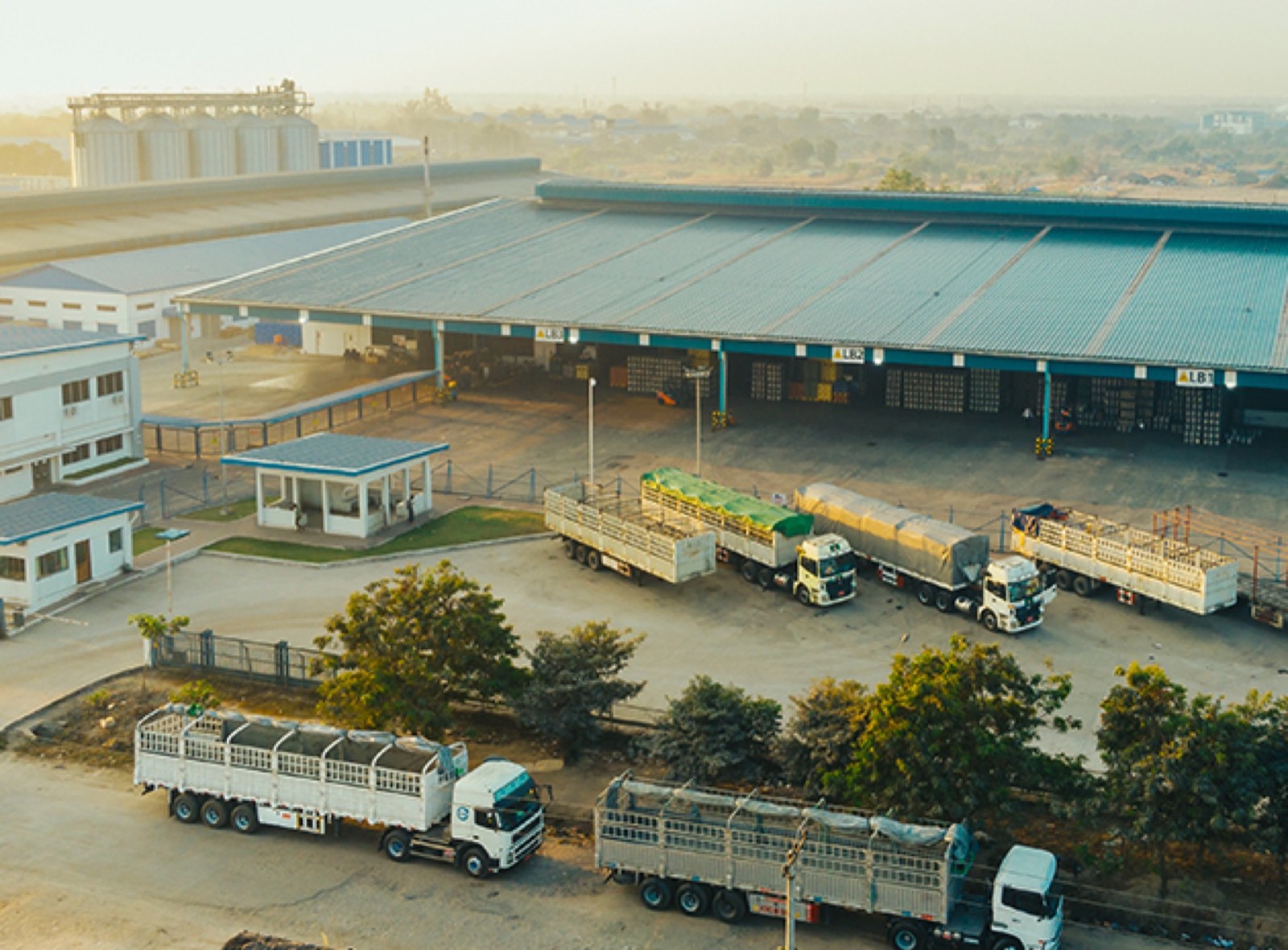
- Your godown: size, floor, roof, and how trucks reach it.
- Who you sell to now, and which crops dominate your area.
- Whether you hold the state authorisation, or how far along you are.
Approved dealers get the principal certificate, the trade price list, dealer boards and leaflets in the local language, and a field officer who helps with farmer meetings and demo plots.
The first season
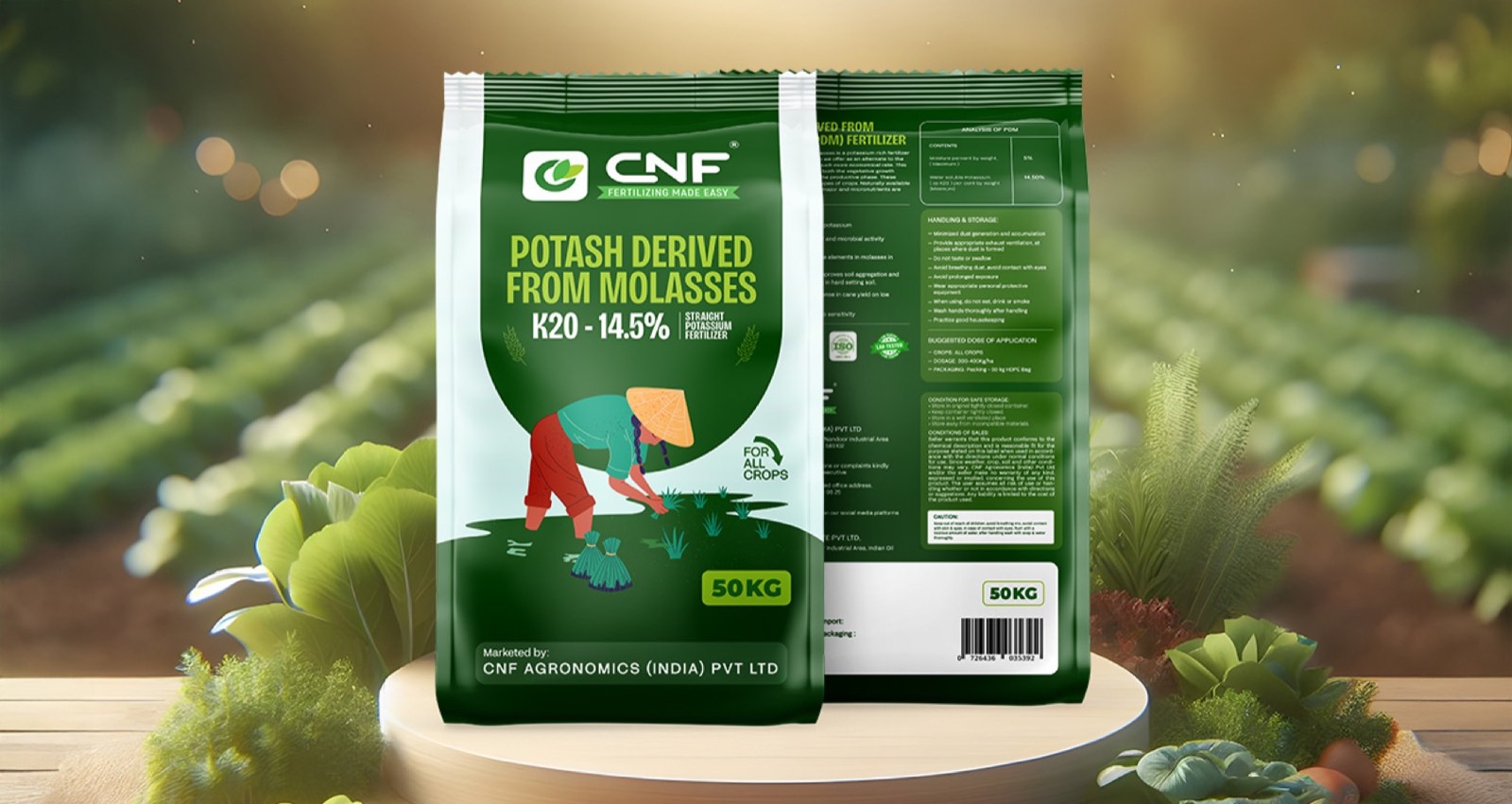
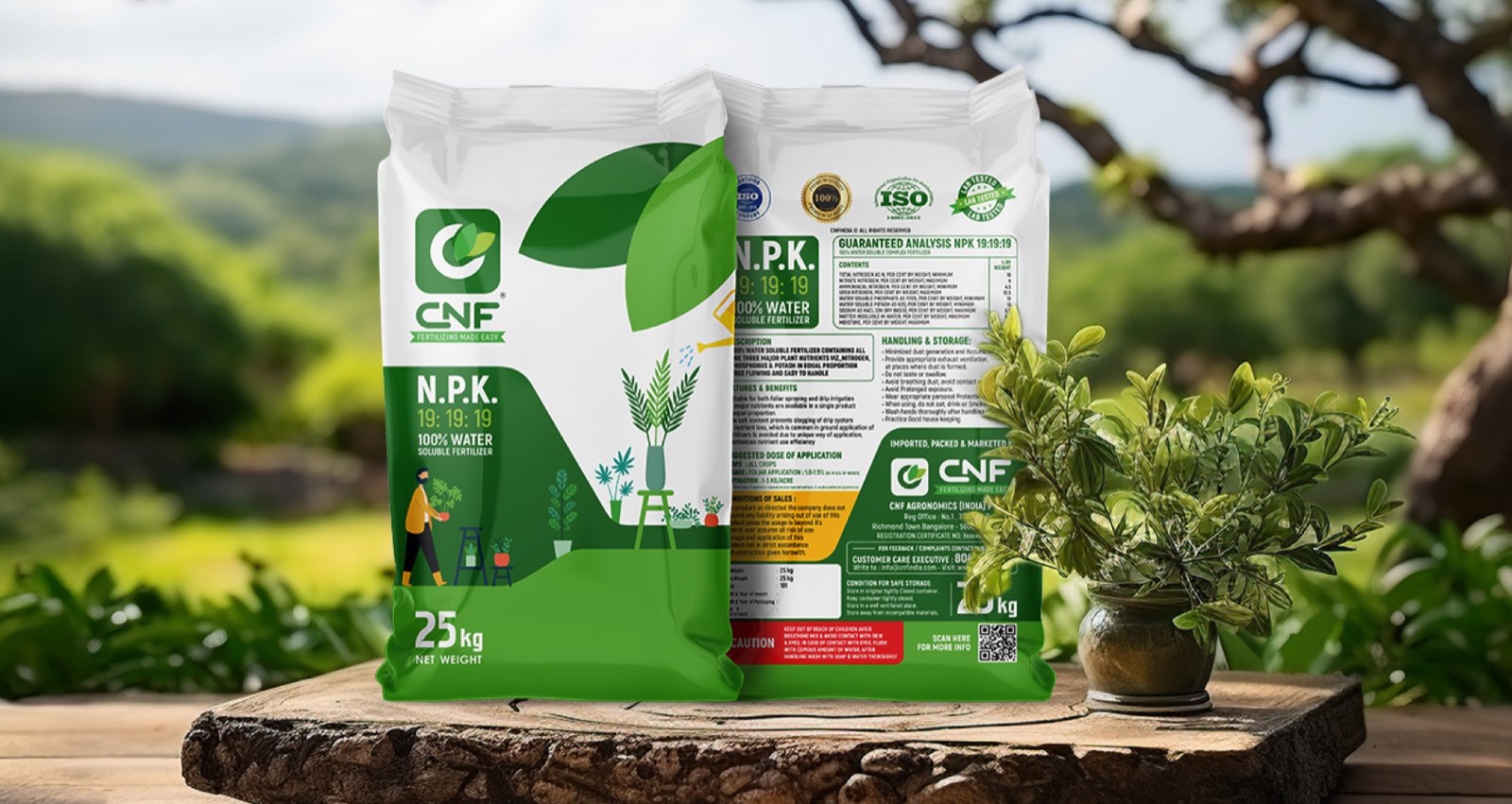
Start with a small range you can explain well. For most of our new dealers that means PROM and PDM, because farmers understand phosphate and potash, and both suit the main crops in North Karnataka. Add the water-soluble grades once drip farmers start asking for them.
If you want to talk it through, call us on +91 99003 57603 or fill in the dealership form. We reply within 24 hours.